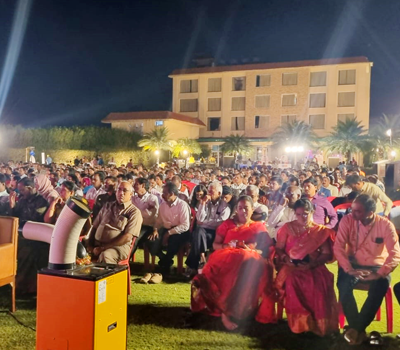
Trade shows and exhibitions are powerful platforms for businesses to showcase their products, build brand awareness, generate leads, and connect directly with potential customers. In today’s competitive market, simply participating in a trade show is not enough. Proper planning, strategic execution, and professional presentation are essential to stand out from competitors and achieve meaningful results.
At Corbett Event Planner, we understand the importance of well-structured trade show planning. Whether you are a startup, a growing business, or an established brand, a successful exhibition requires a combination of creativity, strategy, and flawless execution. This detailed guide will help you understand everything you need to plan a high-impact trade show experience that delivers real business results.
Trade shows are not just events; they are opportunities to build relationships, showcase innovation, and create long-term business connections. Unlike digital marketing, trade shows offer face-to-face interaction, which builds trust and credibility instantly.
Proper preparation is the foundation of a successful trade show. The planning phase determines how effective your participation will be.
Before participating in any trade show, clearly define your goals. Whether it is generating leads, launching a product, increasing brand awareness, or networking, having clear objectives helps you plan effectively.
Not all trade shows are the same. Select an event that aligns with your industry, target audience, and business goals. Research past events, visitor demographics, and exhibitor profiles before making a decision.
A well-planned budget ensures smooth execution. Include costs for booth design, travel, marketing materials, staff, accommodation, and logistics.
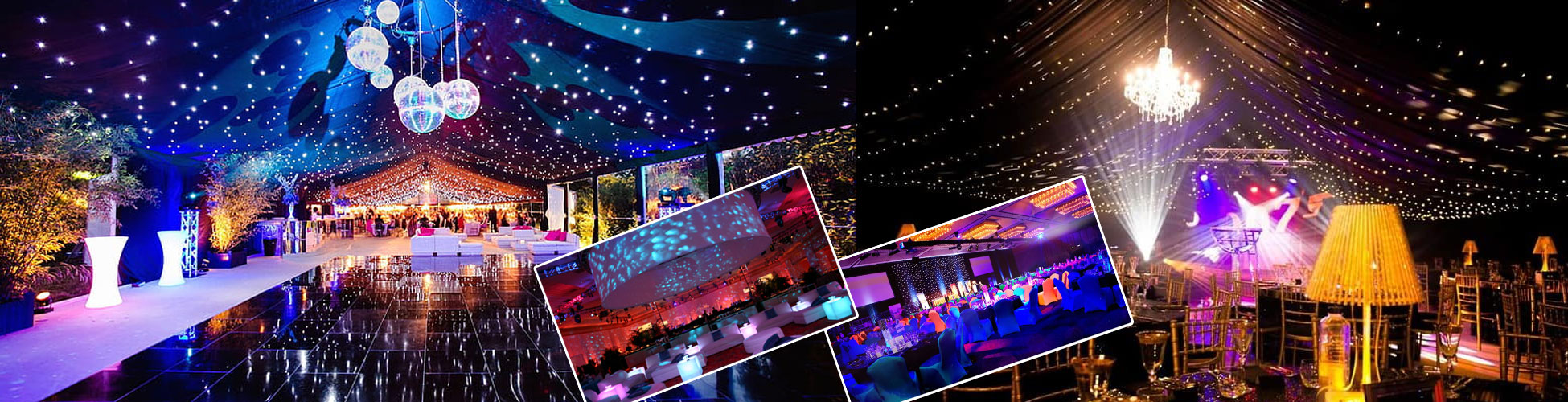
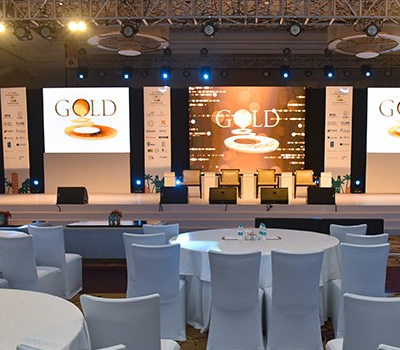
Your booth is the face of your brand at the trade show. It should be visually appealing, professional, and engaging. Use branding elements, lighting, and interactive displays to attract visitors.
Promote your participation before the event using social media, email marketing, and website announcements. This helps attract potential visitors to your booth.
Execution on the event day plays a crucial role in determining success. Even the best planning can fail without proper on-ground execution.
Ensure your staff is well-trained, professional, and knowledgeable about your products or services. They should be able to communicate effectively with visitors.
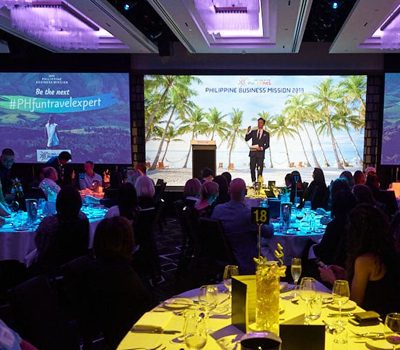
Interaction is key. Use demonstrations, live presentations, and interactive activities to engage visitors and keep them interested.
Use digital tools or simple forms to collect visitor information. Make sure every lead is properly recorded for future follow-ups.
Ensure your booth remains clean, organized, and visually consistent throughout the event. First impressions matter a lot.
Be prepared to handle unexpected situations like technical issues, crowd management, or supply shortages quickly and efficiently.
The success of a trade show does not end when the event is over. Post-event activities are equally important for converting leads into customers.
Many businesses fail to get results from trade shows due to poor planning. Avoid these common mistakes:
To truly stand out in a competitive exhibition environment, businesses need advanced strategies that go beyond basic planning.
Interactive technology such as digital screens, VR experiences, and live demos can significantly increase engagement. Offering giveaways or exclusive event-only offers also helps attract more visitors to your booth.
Another powerful strategy is storytelling. Instead of just promoting products, tell your brand story in a way that connects emotionally with your audience. This builds trust and long-term relationships.
Professional event planning ensures that every aspect of your trade show is handled with precision. From booth design to visitor engagement and post-event follow-ups, expert planning can significantly improve your ROI and brand image.
At Corbett Event Planner, we specialize in creating impactful trade show experiences that help businesses grow and succeed in competitive markets.
Q1. What are the most important trade show planning tips?
Clear objectives, booth design, marketing, trained staff, and post-event follow-up are the most important factors.
Q2. How early should I plan for a trade show?
Ideally, planning should start 2–3 months before the event for best results.
Q3. How can I attract more visitors to my booth?
Use attractive booth design, live demos, giveaways, and pre-event marketing.
Q4. What is the biggest mistake in trade show planning?
Lack of planning and poor follow-up after the event are the biggest mistakes.
Q5. Can small businesses benefit from trade shows?
Yes, trade shows are highly beneficial for startups and small businesses for exposure and lead generation.
"Excellent planning tips! Helped us improve our exhibition results significantly." – Rahul Mehta
"Very practical and useful strategies. Our booth attracted many visitors this time." – Priya Sharma
"Great guidance for trade show success. Highly recommended for businesses." – Amit Verma
"Professional and effective approach. Our ROI improved after following these tips." – Neha Singh
Successful trade show participation requires strategic planning, creativity, and execution. By following the right approach, businesses can maximize visibility, generate quality leads, and build strong industry connections. With expert guidance and proper planning, your next trade show can become a powerful growth opportunity for your brand.
Address:
Shop No.-4, Aasthan Mall, Lakhanpur Chungi
Ramnagar 244715 Uttarakhand, India
Mobile:
+91 9634370270
Website:
www.jimcorbetteventorganizer.in
© Corbett Event Planner. All Rights Reserved. | www.jimcorbetteventorganizer.in