


Networking events have become one of the most powerful tools in today’s business world. Whether it is a corporate gathering, industry meet-up, startup networking session, or professional seminar, the purpose remains the same—building meaningful connections that can lead to growth, collaboration, and new opportunities. A well-planned networking event can help professionals, entrepreneurs, and companies expand their reach and build long-term relationships.
However, organizing a successful networking event requires more than just inviting people to a venue. It involves strategic planning, understanding audience behavior, creating engagement opportunities, and ensuring a smooth flow of interaction. In this guide, we explore detailed networking event tips that will help you plan and execute a highly effective and memorable event.
Before planning any networking event, it is important to clearly define its purpose. Networking events are not just social gatherings; they are structured environments designed to encourage professional interaction.
When the purpose is clear, it becomes easier to design the event structure, select the right audience, and create meaningful engagement activities.
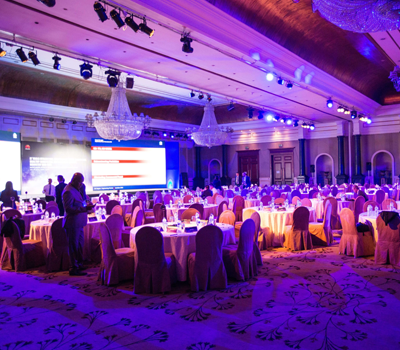
The venue plays a crucial role in the success of a networking event. A good venue should encourage interaction and comfort. Overcrowded or poorly arranged spaces can limit communication and reduce engagement.
Ideal venues for networking events should have:
Choosing a professional and well-equipped venue ensures that attendees feel comfortable and are more likely to engage with others.
A successful networking event should not feel chaotic or unorganized. A structured format helps attendees interact effectively and ensures smooth flow throughout the event.
Some effective event structures include:
Breaking the event into segments helps maintain interest and encourages participation from all attendees.
Informing attendees before the event is very important. Share event details, agenda, and goals in advance so participants know what to expect. This increases preparation and engagement.
Instead of long speeches, focus on interactive discussions. People engage more when they are part of the conversation rather than passive listeners.
Simple tools like name tags help attendees easily identify and approach each other. A short introduction round also breaks the initial hesitation.
Dedicated networking breaks allow participants to connect freely without structure. These informal interactions often lead to meaningful conversations.
Ice-breaker games or quick introductions help people feel comfortable and encourage communication between strangers.
A smaller group of relevant professionals is more valuable than a large group with no common interest. Targeted networking always produces better results.
Technology has transformed the way networking events are conducted. From registration to interaction, digital tools make everything more efficient and organized.
Using technology not only improves efficiency but also enhances the overall attendee experience.
Even well-planned events can fail if certain mistakes are not avoided. Some common errors include:
Avoiding these mistakes ensures a smooth and successful networking experience for everyone involved.
A successful networking event can create long-lasting value for businesses and individuals alike.
Networking events are evolving rapidly with changing business environments. Hybrid events, virtual networking platforms, and AI-based matchmaking are becoming increasingly popular. These innovations are making networking more accessible and efficient than ever before.
In the future, networking will become more personalized, data-driven, and experience-focused, allowing professionals to connect in smarter and more meaningful ways.
Q1. What is the main purpose of networking events?
The main purpose is to build professional connections, share knowledge, and create business opportunities.
Q2. How do you make a networking event successful?
A successful event requires proper planning, engagement activities, the right venue, and a clear structure.
Q3. What are some effective networking strategies?
Ice-breakers, interactive sessions, and structured networking breaks are highly effective strategies.
Q4. Are virtual networking events effective?
Yes, virtual networking events are very effective when combined with proper tools and engagement platforms.
Q5. How important is event planning in networking events?
Event planning is extremely important as it ensures smooth execution and better attendee experience.
"Very well-organized networking event. Great opportunity to meet industry professionals and expand connections." – Rajat Mehra
"Excellent planning and smooth execution. The event was highly productive and engaging." – Simran Kaur
"Best networking experience I have attended. Everything was perfectly managed." – Ankit Sharma
"Highly professional setup and very useful for business growth opportunities." – Neha Verma
Networking events are a powerful way to build relationships, grow businesses, and share ideas. With proper planning, engagement strategies, and execution, any networking event can become highly successful. Whether you are organizing a small meet-up or a large corporate event, focusing on attendee experience is the key to success.
Address:
Shop No.-4, Aasthan Mall, Lakhanpur Chungi
Ramnagar 244715 Uttarakhand, India
Mobile:
+91 9634370270
Website:
www.jimcorbetteventorganizer.in
© Corbett Event Planner. All Rights Reserved. | www.jimcorbetteventorganizer.in