


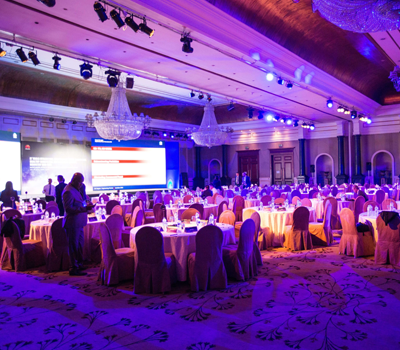
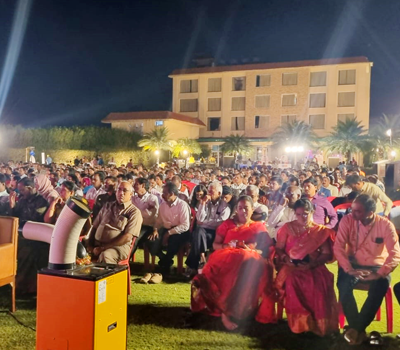
Event planning is an exciting process, but it also comes with responsibilities and challenges. One of the most critical aspects of organizing any event is risk management. Whether it is a wedding, corporate gathering, destination event, or outdoor celebration, identifying and managing risks is essential to ensure the safety of guests, staff, and the overall success of the event.
At Corbett Event Planner, we understand the importance of proper planning and safety measures. This event risk management guide will help you understand potential risks, how to prevent them, and how to handle unexpected situations efficiently. With the right approach, you can create a safe, smooth, and memorable event experience.
Event risk management is the process of identifying potential risks associated with an event and taking necessary steps to minimize or eliminate them. It involves planning for safety, security, legal compliance, and emergency situations.
Risks can come in many forms, such as weather issues, technical failures, crowd mismanagement, health emergencies, or vendor-related problems. A well-prepared risk management plan ensures that these situations are handled effectively without disrupting the event.
Ignoring risks can lead to serious consequences including financial loss, safety hazards, and damage to reputation. Proper risk management helps in:
Understanding different types of risks is the first step towards effective management:
Outdoor events are highly dependent on weather conditions. Rain, heat, storms, or unexpected climate changes can affect the event.
Issues related to sound systems, lighting, electricity, or internet connectivity can disrupt the event experience.
Medical emergencies, accidents, or food-related issues can pose serious risks to attendees.
Poor crowd control can lead to chaos, overcrowding, or safety hazards.
Delays or failures from vendors such as catering, decoration, or transport can impact the event flow.
Start by listing all possible risks that could occur during the event. Consider location, type of event, number of guests, and available resources.
Evaluate the likelihood and impact of each risk. This helps in prioritizing which risks need immediate attention.
Create strategies to avoid or reduce risks. For example, arrange backup power for technical failures or indoor options for bad weather.
Clearly define roles and responsibilities among your team members for handling specific risks.
Prepare a detailed emergency response plan including medical support, evacuation routes, and contact details of local authorities.
Ensure proper communication channels among staff, vendors, and guests to handle situations quickly.
Continuously monitor the event to identify and manage risks in real time.
Before organizing any event, make sure you follow this checklist:
Many event planners overlook critical aspects of risk management. Avoid these common mistakes:
At Corbett Event Planner, we follow a structured approach to ensure every event is safe and successful. Our team conducts detailed risk assessments, coordinates with vendors, and implements safety measures at every stage. We prioritize guest safety while maintaining the quality and experience of the event.
Q1. What is the main purpose of event risk management?
The main purpose is to identify potential risks and implement strategies to prevent or minimize them.
Q2. Why is risk assessment important in events?
It helps in understanding possible threats and preparing solutions in advance.
Q3. How can weather risks be managed?
By having backup indoor venues, tents, and flexible scheduling options.
Q4. What are the key safety measures for events?
Fire safety, medical support, crowd control, and proper security arrangements.
Q5. Can professional planners handle risk management?
Yes, experienced planners like Corbett Event Planner manage all risks effectively.
"Very professional team. They handled everything smoothly and ensured complete safety during our event." – Rajiv Malhotra
"Excellent planning and risk management. Everything was well organized and secure." – Sneha Kapoor
"We had a corporate event and the safety arrangements were top-notch. Highly recommended!" – Amit Verma
"Great experience! The team managed every situation perfectly without any issues." – Neha Sharma
Event risk management is a crucial part of successful event planning. With proper preparation, careful planning, and professional support, you can avoid unexpected problems and ensure a safe experience for everyone involved.
If you are planning an event and want a reliable team to handle everything, Corbett Event Planner is here to help. Contact us today and let us make your event safe, smooth, and memorable.
Address:
Shop No.-4, Aasthan Mall, Lakhanpur Chungi
Ramnagar 244715 Uttarakhand, India
Mobile:
+91 9634370270
Website:
www.jimcorbetteventorganizer.in
© Corbett Event Planner. All Rights Reserved. | www.jimcorbetteventorganizer.in